

Starting 2026 with Mpho Mapheto
Written by Alex Baro Photography by Baro Studios

1. Before the physique, before the titles, who is Mpho? And how did fitness become something you chose to commit your life to?
Before anything else, I’m a disciplined man. I grew up in a strong family with present parents, and those values shaped me early — integrity, structure, accountability. I don’t like stagnation, mentally or physically.
Fitness didn’t start as a career decision. It started as a way to regain control of my life. Training gave me clarity when everything else felt chaotic. Over time, I realised it wasn’t just shaping my body it was shaping my character. Once I saw that, committing my life to it felt natural.
2. Was there a defining moment where you realized fitness wasn’t optional for you anymore — that it had to become a non-negotiable way of living?
Losing my dad to poor health was a major turning point. Around 2017, when I truly committed to training, it became clear that health isn’t something you can postpone.
That’s when I learned that consistency beats motivation every time. Life moves fast when discipline disappears. Fitness became my anchor — not because I wanted abs, but because I wanted standards. From that moment, training stopped being something I did and became part of who I am.
3. Every January, people say, “This is my year.” As a personal trainer, what do you think people misunderstand most about real change?
People think change is loud and dramatic. It’s not.
Real change is quiet, repetitive, and often boring. It doesn’t happen on big announcement days. It happens on random days when no one is watching — and you still show up. That’s real transformation. No titles. No applause.
4. If someone is opening 2026 feeling out of shape, intimidated, or behind, what should they focus on first, not to look better, but to last longer in the journey?
Start where you are. If all you can do is watch fitness content, start there. Then take the first step.
The priority should be building trust with yourself. Small wins daily. Small promises kept daily. One workout done properly. One good meal. Longevity comes from proving to yourself that you can follow through not from chasing fast results.
5. You train with structure and intention. How important is routine compared to intensity, and what does that look like in your own week?
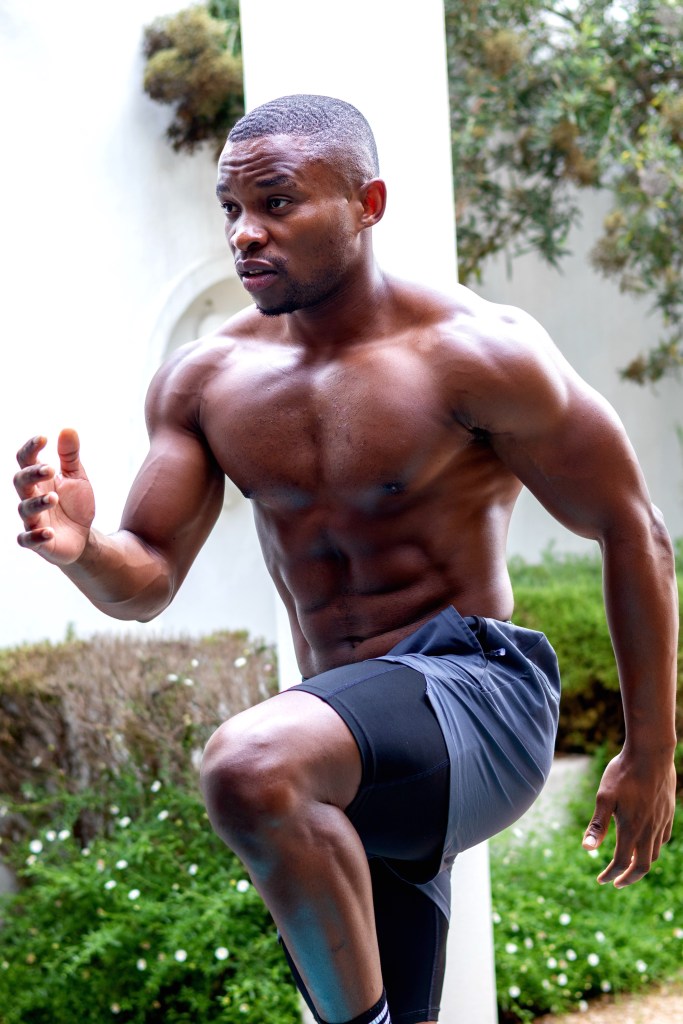
Routine is everything. Intensity without structure leads to burnout.
My weeks are built around repeatable systems — training days, recovery days, and focused work blocks. I don’t rely on how I feel; I rely on the plan. That’s how you build self-trust and stay consistent long term.
6. Beginners often believe more is better. What’s the fastest way you see people sabotage their progress early on?
Doing too much, too soon.
Too many sessions, poor recovery, chasing heavy weights with bad form. Beginners try to earn results instead of building habits. That leads to injuries, bad posture, and frustration. Progress doesn’t come from punishment — it comes from precision. Start light, focus on form, and let consistency compound
7. For those who’ve been training for years, how do you push forward without crossing the line into burnout or ego-driven training?
You stop trying to prove something and start trying to preserve something.
Longevity becomes the win. You train with intention, not emotion. Strength becomes measured by control, not chaos. If you don’t have control, you don’t have strength — no matter how long you’ve been training.
8. Your body is your tool, your brand, and your responsibility. If you could speak to your body directly today, what would you thank it for — and what would you ask of it going forward?
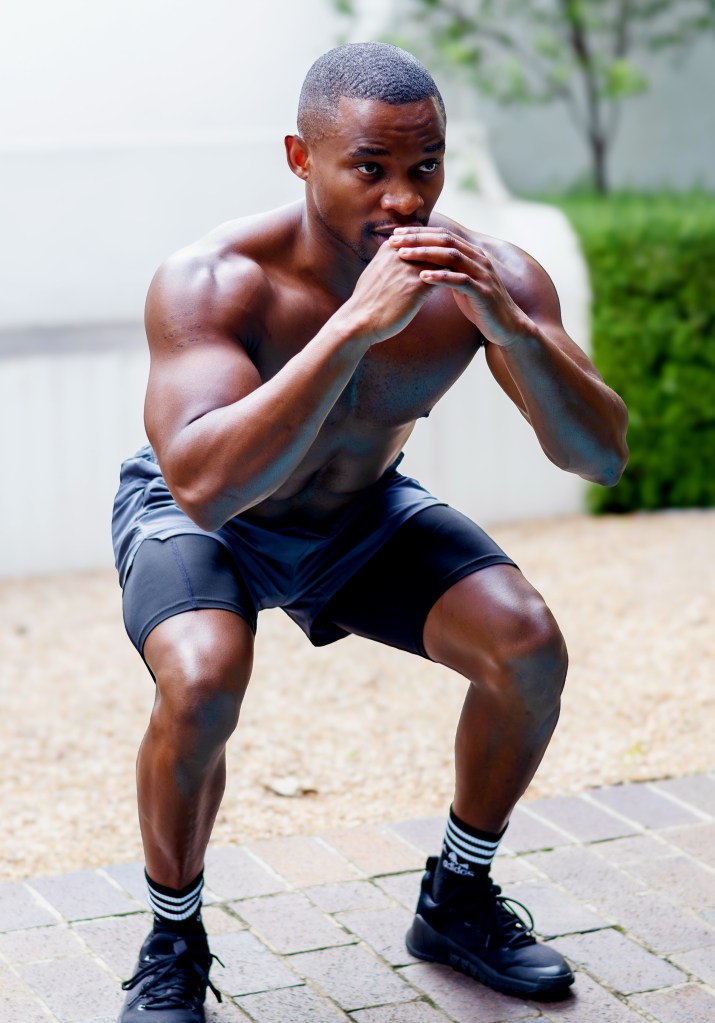
I’d thank my body for its resilience. I’ve put it through winter mornings, long walks to the gym, and difficult seasons.
I’d thank it for carrying me through every phase — not just the good ones. And I’d ask for longevity. To keep showing up with me year after year, stronger and wiser.
9. There’s no avoiding vanity in fitness and modeling. How do you personally reconcile loving your physique while accepting that this level of physical perfection isn’t forever?
I respect my physique, but I don’t worship it.
Bodies change — discipline doesn’t. I focus on habits that build the body, not the body itself. Whatever age I reach, my goal is to look my best at that level. I fully believe I’ll be a fly 60-year-old one day.
10. At some point, motivation runs out. What actually keeps you disciplined when there’s no hype, no photoshoot, no audience?
Identity.
I don’t train because I’m motivated. I train because that’s who I am. Discipline is self-respect practiced daily. I don’t do this for hype or attention. If it inspires someone else, that’s a bonus — but I’m faithful even when the crowd is small.
11. Food is either fuel or friction. What mindset shift around nutrition do most people need to make if they want consistency instead of cycles?
You can’t outwork a bad diet.
Stop treating food like a reward or punishment. It’s just fuel. Once nutrition becomes neutral instead of emotional, consistency becomes easy. Healthy eating is normal eating — we don’t need to complicate it.
12. Recovery is often treated as weakness. What has training taught you about rest, longevity, and respecting your limits?
Recovery isn’t rest — it’s part of training.
The strongest people I know aren’t the ones who go the hardest; they’re the ones who last the longest. Staying consistent means staying in the game, and recovery is how you do that.
13. Social media rewards extremes. What’s one truth about staying in shape year-round that never makes it into the highlight reel?
Real fitness is repetitive, unglamorous, and requires saying no more than yes.
What you don’t do matters just as much as what you do. It’s not flashy, and it’s not for everyone — and that’s okay.
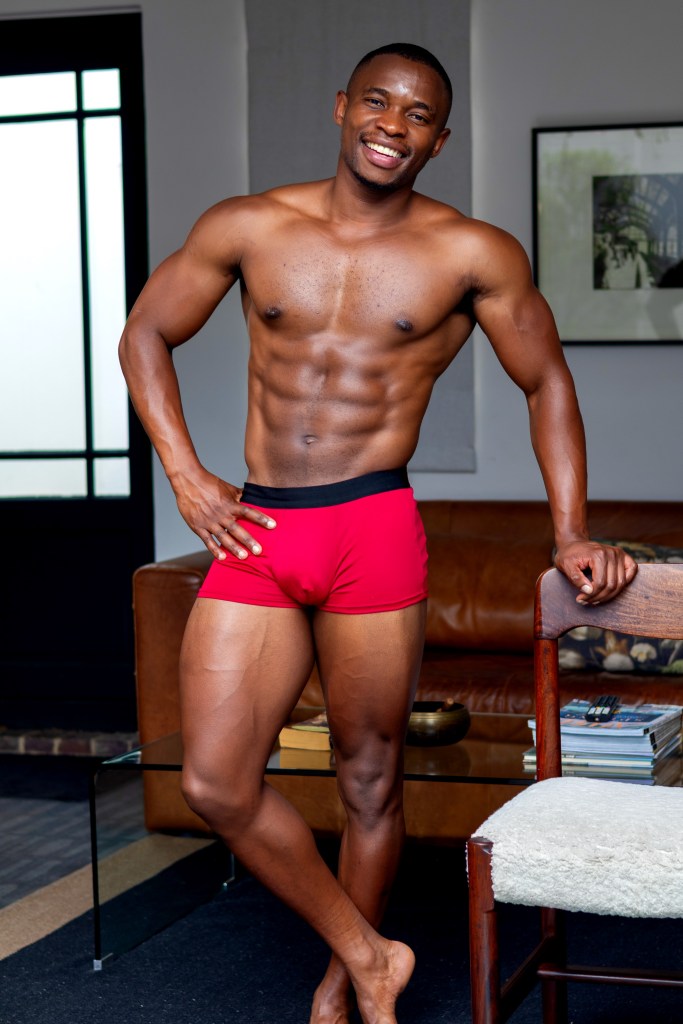
14. People fall off — it’s inevitable. What’s the right way to come back without shame, self-punishment, or quitting altogether?
Stay quiet.
No announcements. No overcompensation. Pick up where you left off and move forward. Shame wastes energy. Action rebuilds momentum. Come back quietly — and let consistency speak.
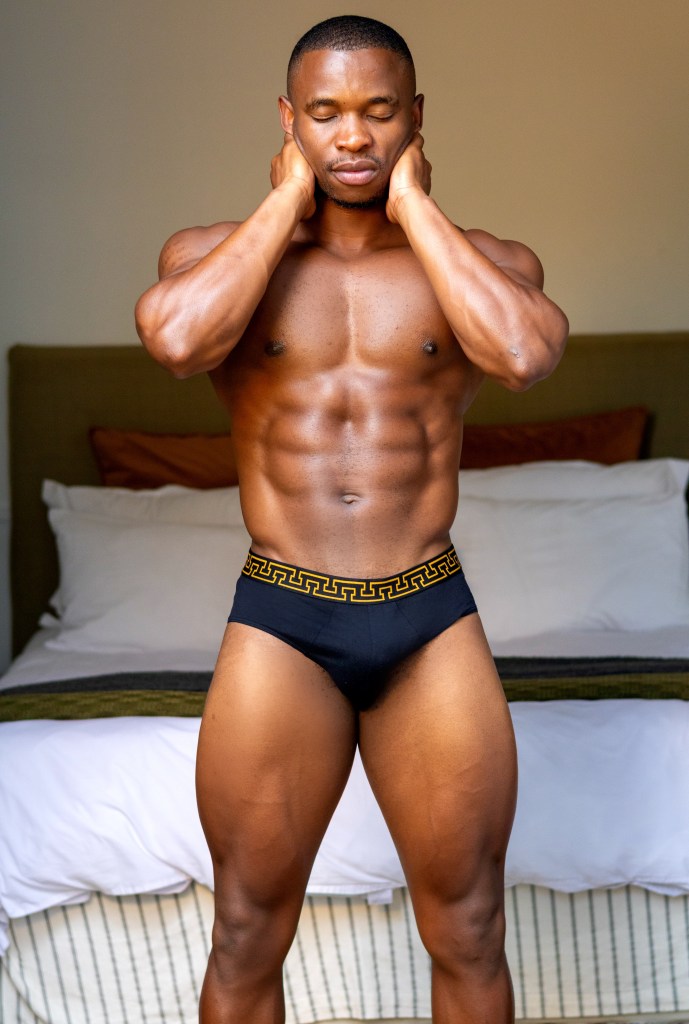
15. If 2026 is the year people stop making resolutions and start building standards, what is the one principle you believe will carry them through not just this year, but the rest of their lives?
Consistency over intensity.
What you do regularly becomes who you are. Build standards and habits you can maintain, and let time do the rest. Focus on habits — everything else will follow.

The Five Things that Make You Really Muscular
 Body Goalz Magazine
Leave a comment